Karl Zerbe - Tallahassee’s Expressionist Artist in Residence
While Karl Zerbe was born in Berlin during the end of the German Empire, he eventually moved to the United States and settled in Tallahassee.

Wassily Kandinsky’s “München-Schwabing mit der Kirche St. Ursula” (Munich-Schwabing with the Church of St. Ursula), painted in 1908. Currently at the Lenbachhaus Art Museum in Munich. Source: Wikipedia Commons.
Zerbe was a student of the influential Debschitz School, which also influenced the Bauhaus movement. He was a creator in the Expressionist Movement, of which Paul Klee and Wassily Kandinsky were members. Expressionism is known for strong colors and distortion of the form.
In 1929, he painted Herbstgarten (“Autumnal Garden”). It was bought by the National-Galerie in Berlin, Germany. Unfortunately, it was destroyed by the Nazi’s as they considered it “Degenerate Art".”
The Nazi’s identified several art works by domestic and foreign artists in the German collection as unworthy and destroyed them. The Nazi’s considered any modern art “degenerate” and purged whatever art they deemed “un-German.”
One large public bonfire destroyed art by Picasso, Dali, Klee, and several by Zerbe. Any artist that painted in a non-classical style, was not German, was Jewish, considered too Communist or Bolshevik, or any deviation from the Nazi order was targeted.
Sadly, there does not seem to be any (public) images of Herbstgarten before its burning.
Zerbe, realizing the danger he was in, moved to the United States in 1937 with only $160 to his name. He became the Head of the Department of Painting at the School of the Museum of Fine Arts in Boston. He began to use the ancient encaustic, or wax, technique to paint. His painting, Job, showcases this style. Two years later he became a U.S. citizen. He became a key figure in the Boston Expressionist movement.
He then moved to Tallahassee in 1955 and became a faculty member at Florida State University’s Department of Art and Art History. He taught until his death in 1972 as professor emeritus.
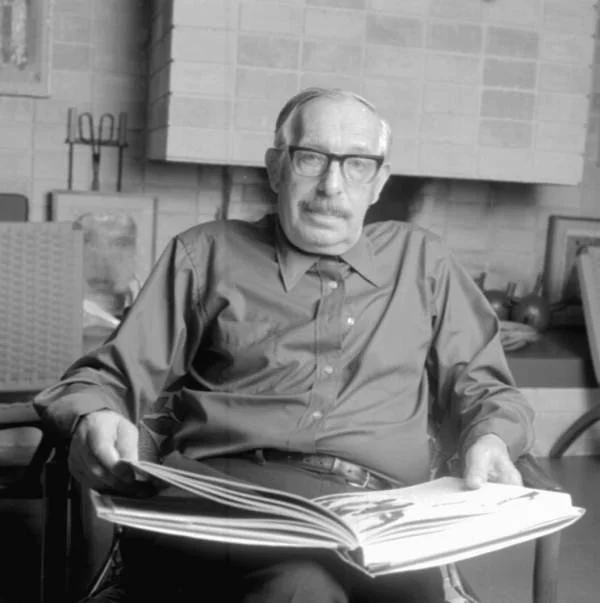
Karl Zerbe. Source: (State Archives of Florida)
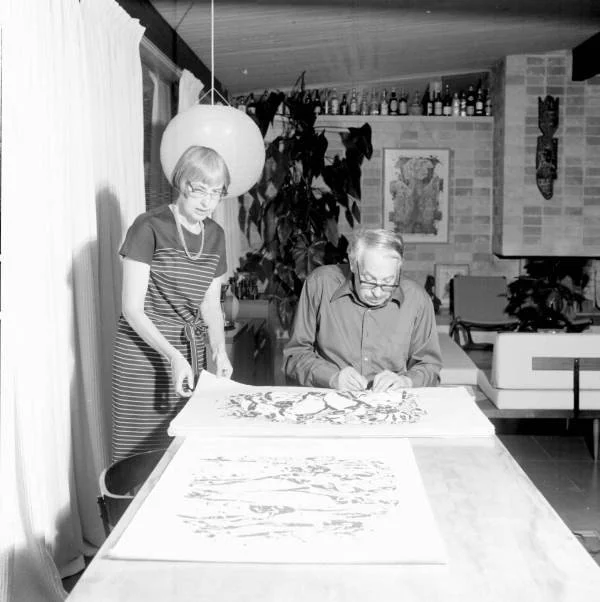
Karl Zerbe at work. Source: (State Archives of Florida)
Zerbe was also president of the Artists Equity Association, which was created in the 1940s. The AEA helps artists survive economically.
Other than helping the Boston Expressionist movement begin, Zerbe was inspired by the Civil Rights Movement. He created art that was inspired by the Albany Movement in Georgia.
The Johnson Collection notes that his final output centered around birds. These bird artworks were inspired by Zerbe’s time at St. Mark’s Wildlife Sanctuary. Zerbe was also a founding member of the Tallahassee chapter of the Audubon Society. Karl Zerbe and his wife, Marion, were active birders. He even provided the first photographic proof to the American Ornithology Society in 1958 that the Greater White-fronted Geese was at St. Mark’s Refuge.
His work can be seen in several museums, such as the Los Angeles County Museum of Art (LACMA), Massachusetts Institute of Technology (MIT), the Metropolitan Museum of Art in NYC, the Mobile Museum of Art, the Museum of Fine Arts in Boston, the National Gallery of Art in Washington D.C., and in town at LeMoyne.
FSU’s Museum of Fine Arts has its exhibition catalog on the Karl Zerbe Memorial Catalog online for viewing.
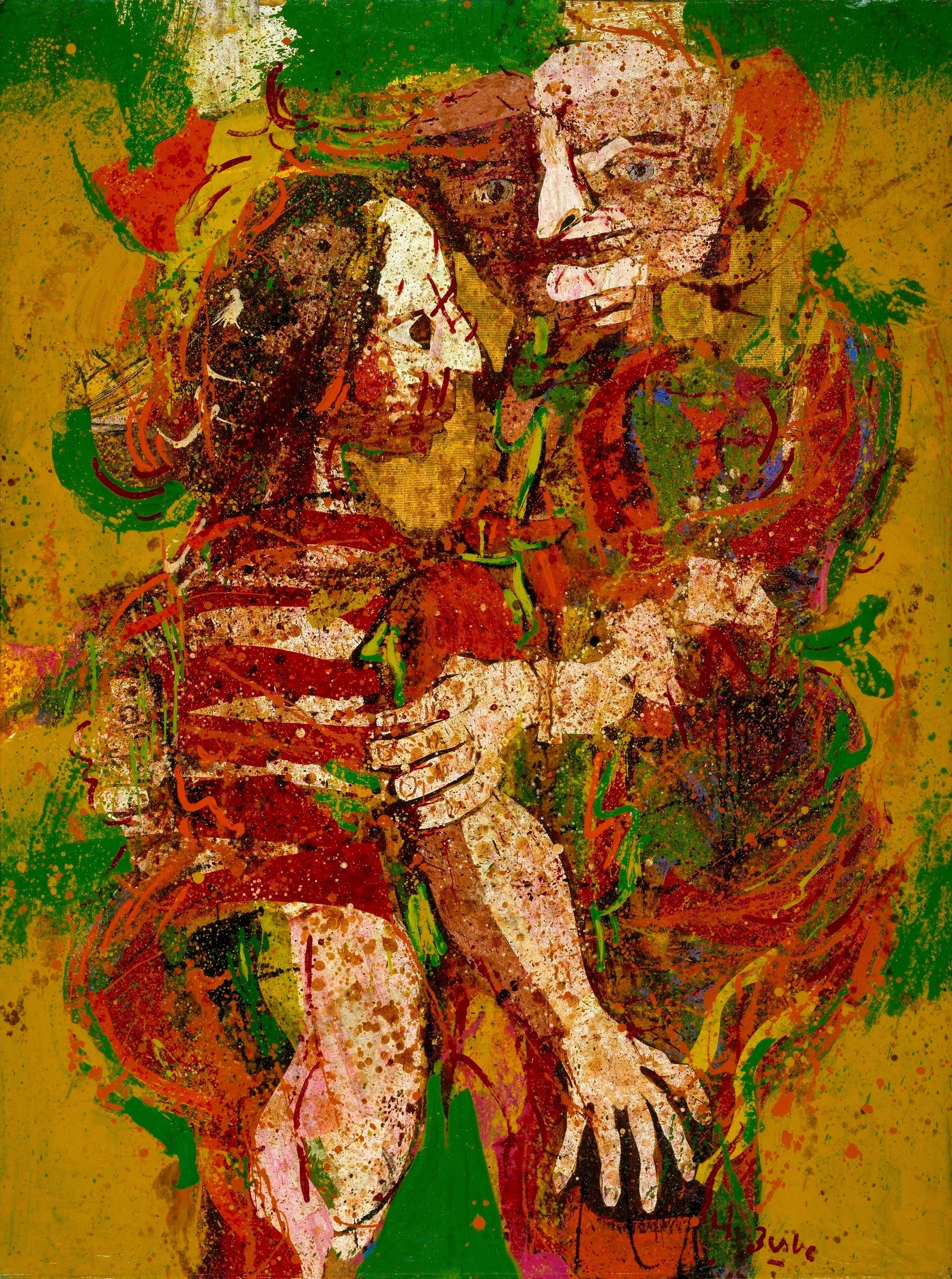
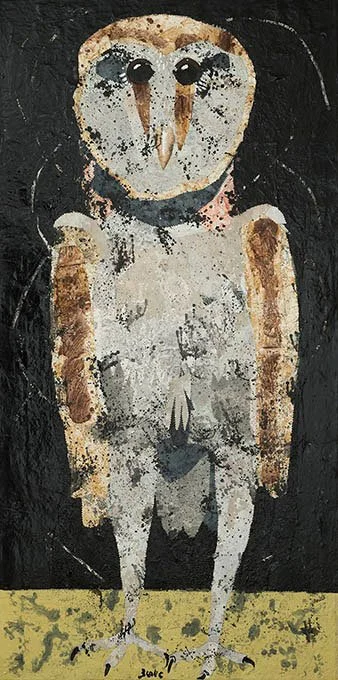
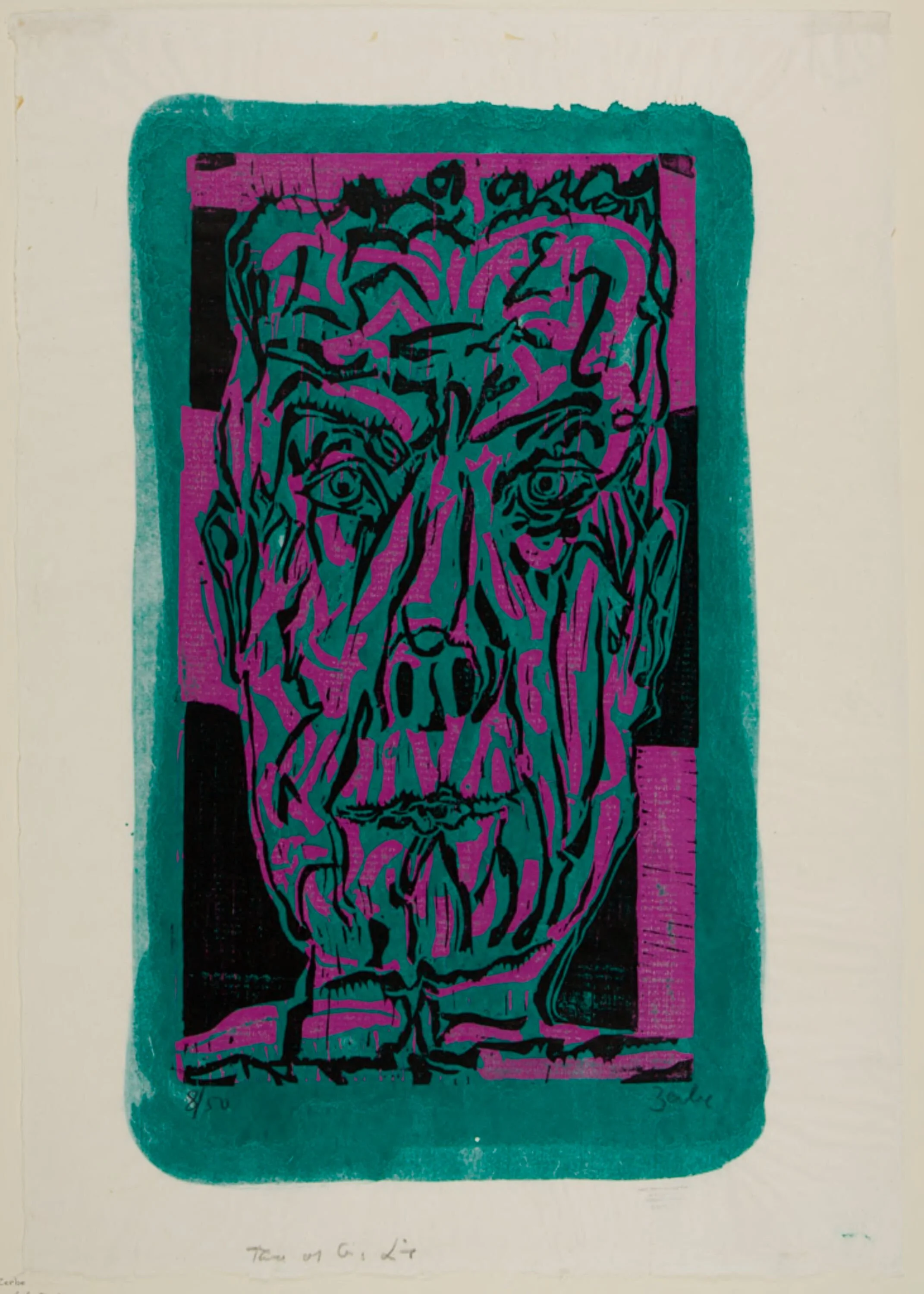
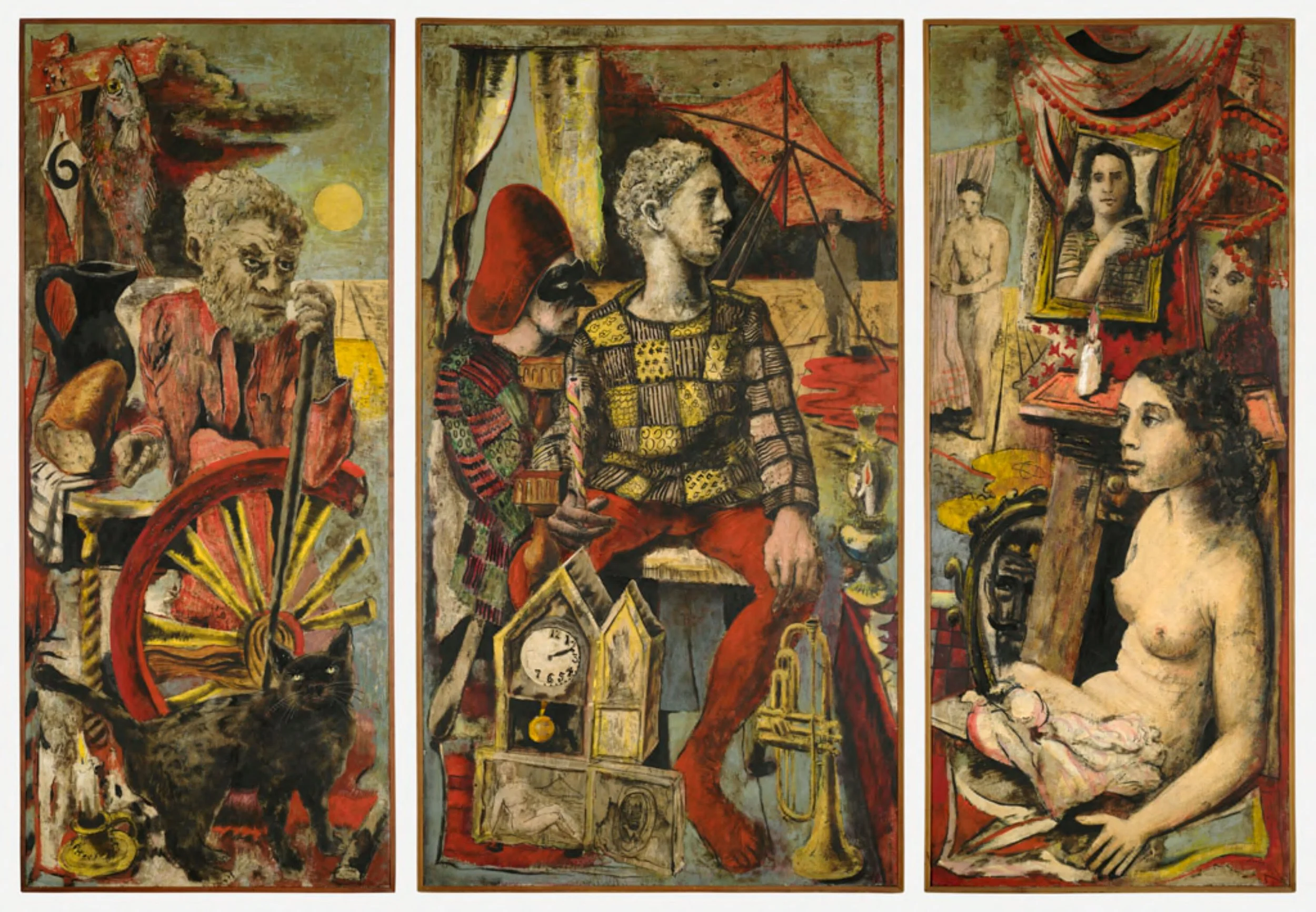

Karl Zerbe’s daughter, Maria Zerbe Norton, gave an interview to LeMoyne Arts for their “Zerbe Zelebration” from 2021. More information from the celebration of his life and work can be found on their website.
The booklet from the celebration is online, featuring images of his work.
His work based on the Civil Rights Movement is also available online at their website.
Additional Information on Degenerate Art:
The early twentieth centuries saw a rapid change in art, in the forms of painting, sculpture, literature, film, and music. This change was international, in part due to the rise in technology, machines, and war. Nosferatu, the famed vampire classic began its cinematic life as a German expressionist movie in 1922. Many Germans hated the new art. Ironically, Germany was an epicenter for Avant-Garde (like Dada, Surrealism, and Cubism) art and Expressionistic movements. Even Emperor Wilhelm II publicly disliked it.
The Nazi party labeled any art they disliked as “Degenerate Art” or “Entartete Kunst.” It was mostly any modern art or “un-German” art. During the Adolf Hiter’s era (1930s-1940s), thousands of art pieces were removed from state museums. Any artist deemed “degenerate” were removed from their positions in teaching and ordered to exhibit or sell their art. They were later banned from producing art entirely.
In 1934, Hitler announced that there would be no place for modernist experimentation in his Third Reich. As some expressionist artists were also members of the Nazi party, there was some confusion if this meant thier work as well.
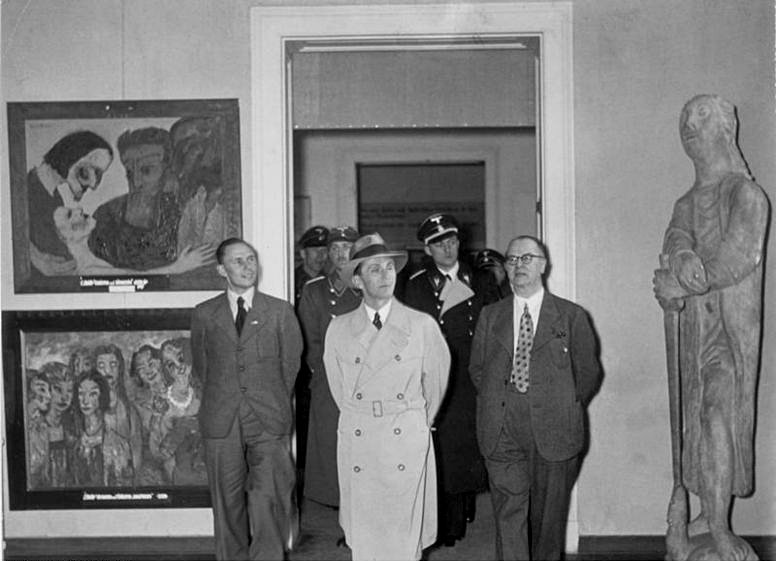
In 1937, the Nazi’s held an exhibition that began in Munich before traveling around the country. It consisted of 650 modern artworks. It was titled “Degenerate Art.” The artwork was poorly hung alongside text that mocked the art and the artists. The Nazi’s wanted to inflame the public in hopes that they would turn against modernism and any “un-Germanic” art. About two million people came to the first showing. Germanic Art that the Nazi’s did enjoy tapped into ancient Greek ideals, Germanic “sprit” like Richard Wagner, and pre-WW1 German Empire art. The Nazi’s believed that only truly German artists could create art in this form and thus all other art would be degenerate.
Many artists, like Karl Zerbe, left Germany and Austria at this time. Artists who stayed were subject to impromptu raids, forced labor in camps, or exterminations.
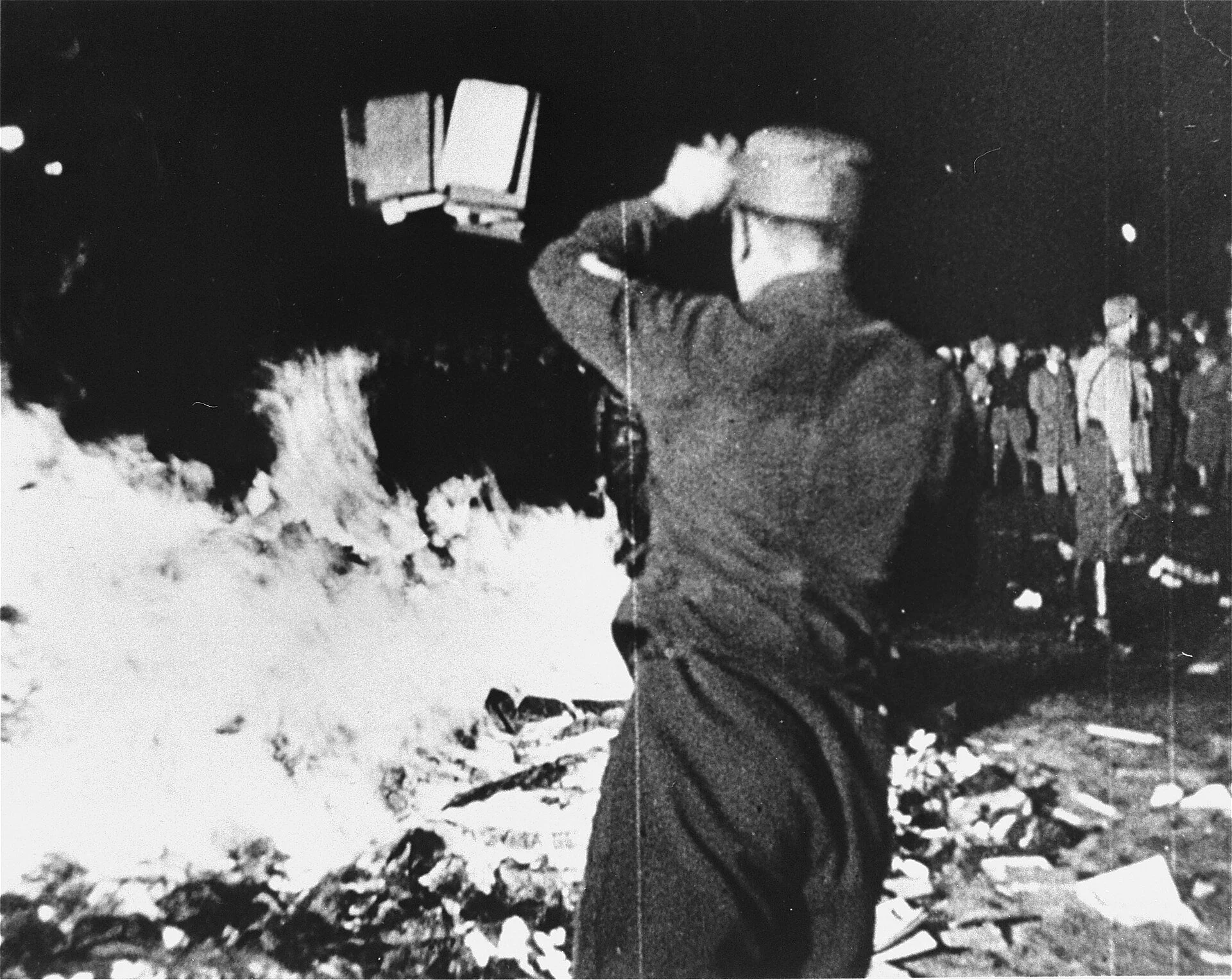
The artwork sized from museums, artists, and dealers was sold to others, given to high-ranking Nazi officials for personal enjoyment. About 4,000 works were burned by the Berlin fire brigade in 1939. Another bonfire was held in 1942 in Paris (occupied by the Nazi’s).
The Nazi’s disapproval of art extended to movies, books, and music as well. There were several book burnings and sale cesastions - Franz Kafka was not allowed to be sold for instance.
Until the outbreak of WWII, the Nazi’s grudgingly allowed American cinema and Jazz to be performed and shown. They did not like Jazz (or any tonal music) but didn’t want to come down so quickly on the citizenry of Germany.
Some of the work was found by Allied soldiers, some work was recovered from Resistance movements, but the rest is feared lost forever.

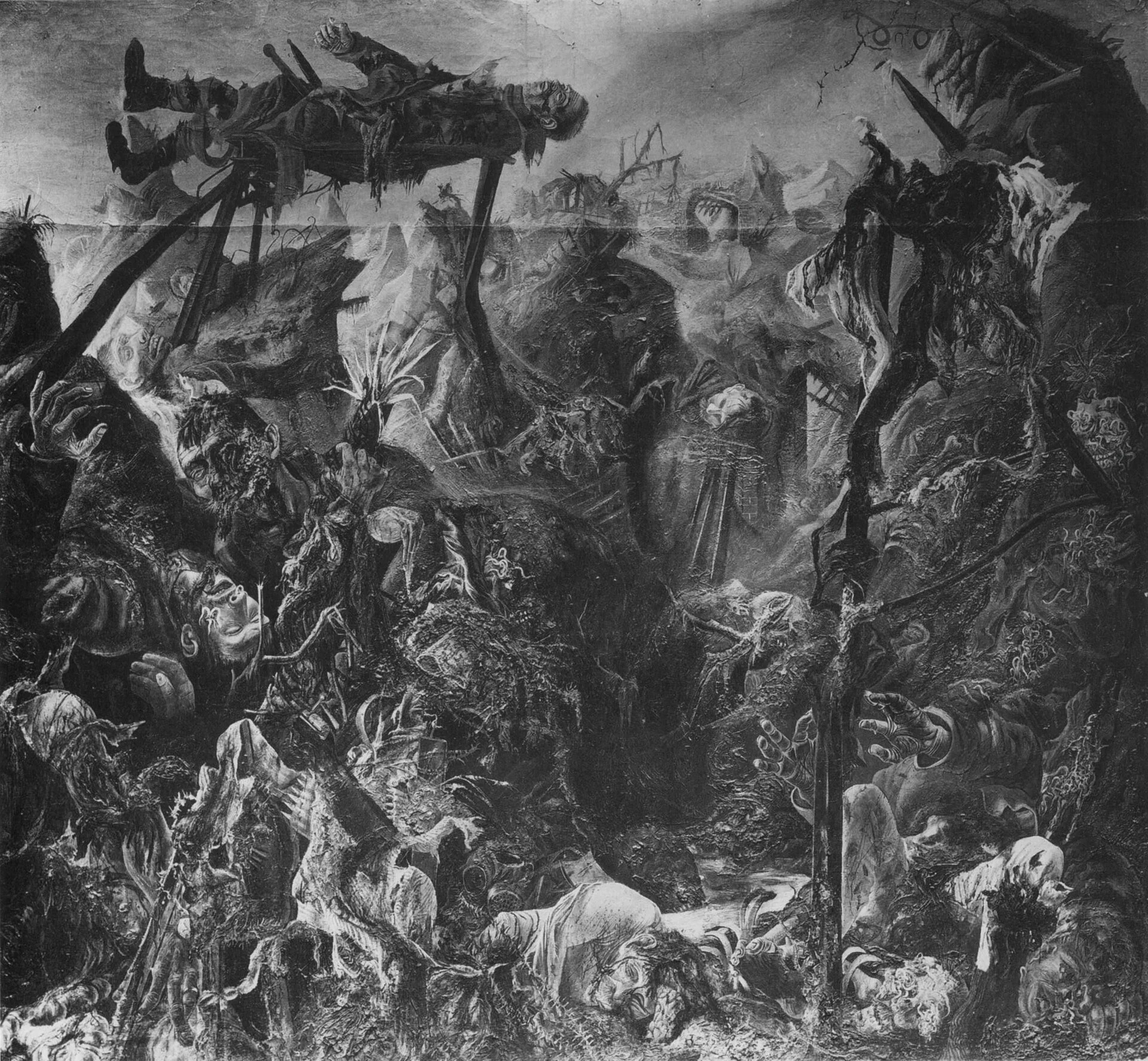
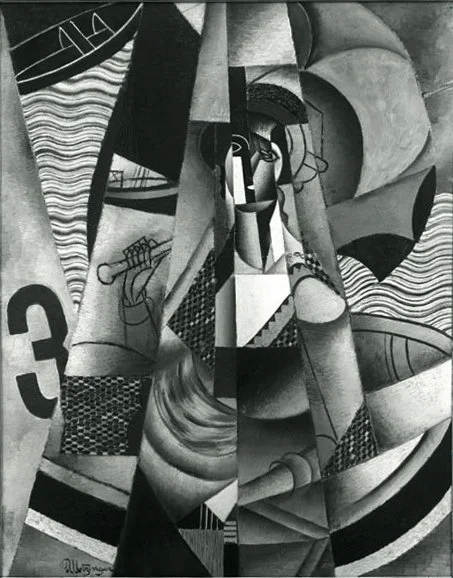
To read more about “Degenrative Art”:
Catalog, Degenerative Art: The Fate of the Avant Garde in Nazi Germany, featuring images of the exhibit and written essays.
The German Lost Art Database, listing all the work lost (and some discovered) during the Nazi era.
MoMA’s biography of German Expressionist painter, Otto Dix, who stayed in Germany
Entartete Kunst, showcases some photographs of the auction
“Works hoarded by son of Nazi art dealer to go on public display." Featuring works taken by Cornelius Gurlitt, one of the four Nazi-era German art dealers allowed to sell Degenerative Art. Works that he took for his own collection managed to survive WWII.
More on the Gurlitt Collection from Even Magazine, Love and Theft
Der Spiegel’s Buried in a Bombed-Out Cellar: Nazi Degenerate Art Rediscovered in Berlin
A Teacher’s Guide to the Holocaust’s page on Degenerative Art lists some of the artists and their work
The Degenerate Art Exhibition: How the Nazi’s Tried to Destroy Modern Art from the Daily Art Magazine
Works Cited:
Bordelon, John. “Apalachee Audubon Society celebrates 50th with ‘Two Egrets’ at Festival.” Tallahassee Democrat. 2015.
“Expressionism.” The Art Story.
“Degenerate Art.” Wikipedia.
“Karl Zerbe.” The Johnson Collection.
"Karl Zerbe.” Wikipedia.
Stavitsky, Gail. “Waxing Poetic: Encaustic Art in America during the Twentieth Century.” From the Exhibition Catalog Waxing Poetic: Encaustic Art in America. The Montclair Art Museum.
“Wilhelm von Debschitz.” Wikipedia.
“Zerbe, Karl (1903-1972).” Mercury Gallery.
“Zerbe, Karl.” Painting the American Scene.
“Zerbe Zelebration is a prelude to Chain of Parks Art Festival.” Tallahassee Democrat. 2021.
Ziegert, Beate. “The Debschitz School, Munich: 1902 -1914.” JSTOR. Design Issues. Vol. 3, No. 1 (Spring, 1986), pp. 28-42.